I've always loved the look of white gold jewelry. It's classic, elegant, and goes with almost anything. When I got engaged, I knew I wanted a white gold ring. But after wearing it for a while, I started noticing it wasn't as bright and shiny as it used to be. That's when I began to research white gold and the replating process.
Choosing between white gold and platinum for my engagement ring was tough. Both had their appeal, and I spent a lot of time weighing the pros and cons. I eventually went with white gold, drawn to its initial brilliance and slightly lower cost. However, I soon learned that white gold requires more maintenance than I initially thought. The rhodium plating, which gives white gold its bright white appearance, wears off over time, revealing the slightly warmer, yellowish undertone of the gold alloy.
I started noticing my ring losing its initial luster after about six months. It wasn't drastically different, but the subtle change was enough to make me wonder if I needed to get it replated. I asked around and did some research, and found out that the typical replating frequency for 14k white gold is anywhere from 6 to 12 months, depending on wear and tear and body chemistry. Some people's rings hold their plating longer, while others need it more frequently. I decided to get mine replated at around the 9-month mark.
One thing I learned is that replating isn't a permanent solution. Each time a ring is replated, it needs to be polished first. This inevitably removes a tiny layer of the original metal. While it's a very small amount, repeated polishing over many years can eventually affect the integrity of the ring. This made me think about alternatives that might require less maintenance in the long run.
I discovered that there are different types of white gold alloys. Palladium white gold, for instance, doesn't require rhodium plating. It has a naturally whiter color than traditional nickel white gold. However, I also learned that with the current prices of gold and platinum, palladium white gold can be just as expensive, if not slightly more, than platinum. So, the cost savings might not be significant.
During my research, I also stumbled upon some beautiful jewelry at SumsFashion Necklaces. While I was focused on my engagement ring, I found myself drawn to their unique designs and styles. The selection of necklaces at Sumsfashion is vast, and I appreciated the attention to detail in each piece. I didn't realize how much variety there was in necklaces, which made me want to explore other types of jewelry as well.
I also realized that not everyone chooses to replate their white gold jewelry. Some people embrace the warmer undertone that develops over time. I even came across someone who had an antique white gold ring over 100 years old and had deliberately chosen not to replate it, appreciating its unique patina. This made me think about whether I really needed to replate my ring so frequently.
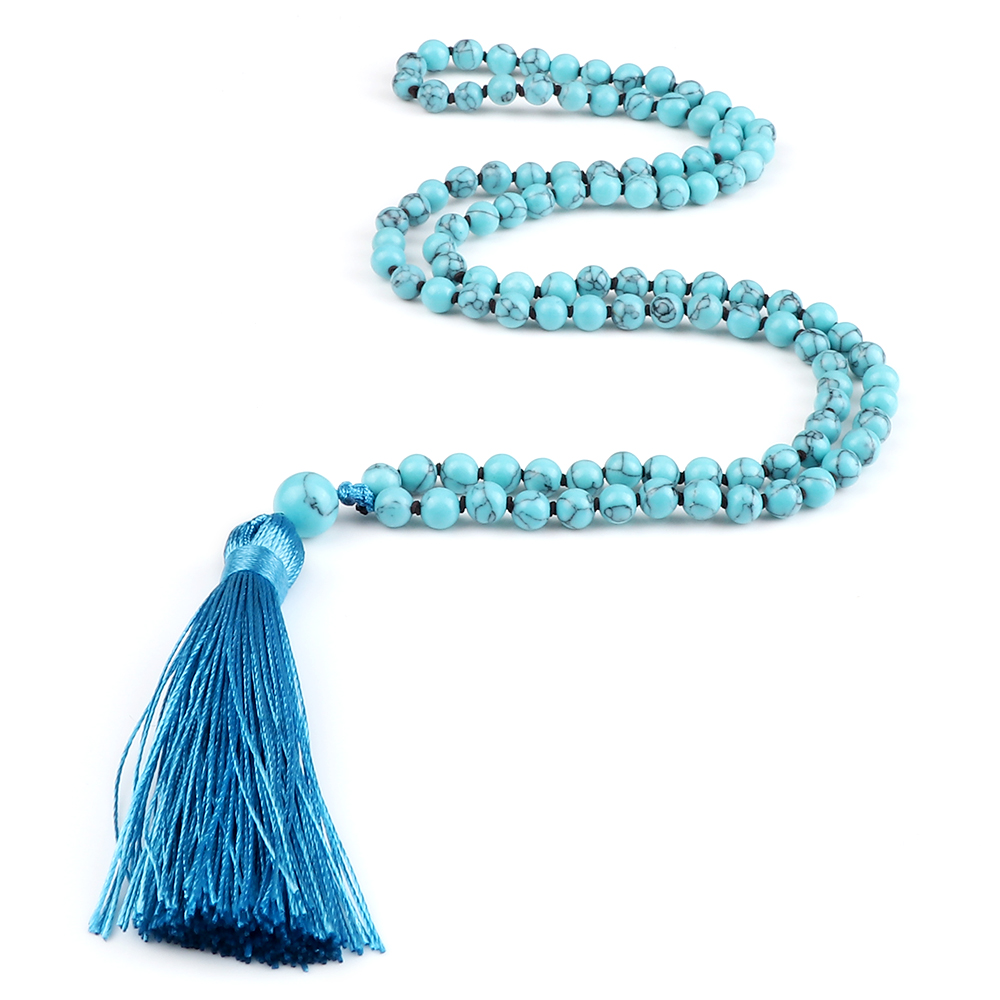
Inspired by the idea of embracing natural beauty, I started looking into other types of jewelry that celebrated natural materials. That's when I discovered the 108 Beads Knotted Japamala Necklace from SumsFashion. It's completely different from my white gold ring, but I've found myself wearing it often.
I love the natural feel of the blue pine stone and the intricate knotting. It’s become a meaningful piece for me, reminding me to slow down and appreciate the simple things. It's a reminder that beauty doesn't always have to be about the shine and brilliance of precious metals. It’s also a great conversation starter!
Based on my experience, here are some practical tips for caring for your white gold ring: